OPC Vacancy
This page forms part of the parish of Codford
Ashton Gifford is a hamlet, part of the civil parish of Codford, in the county of Wiltshire. For parochial purposes the hamlet comes under the jurisdiction of Codford St. Peter. For Baptisms, Marriages and Burials please consult Codford St. Peter Section.
Buildings and Land
Domesday Book Ashton Gifford Inclosure Notice 1814
Listed Buildings in Ashton Gifford
Grade I – Buildings of outstanding architectural or historic interest.
There are no buildings listed for this category in Ashton Gifford
Grade II* – Buildings are particularly important and of more than special interest.
There are no buildings listed for this category in Ashton Gifford
Grade II – Buildings are nationally important and of special interest.
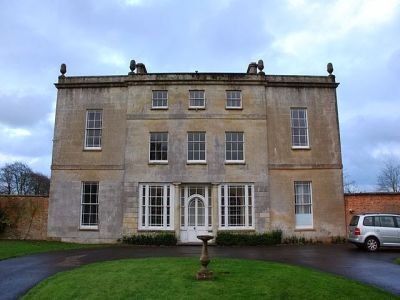
Ashton Cottage Ashton Gifford House Boundary Post opposite entrance to Ashton Gifford House
Property For Auction, Let or Sale
Sheep and Dairy Farm To Let By Tender 1824
Crime and Legal Matters
Licensing Session Opposed 1890
Education
Greenways School
Greenways School Advertisement for Greenways School 1947 Fire at Greenways School 1948 Advertisement for Greenways School 1964
Employment and Business
Game Licenses 1824-1839 Select Commissioners for Land & Assessed Taxes 1842 South Wilts Chamber of Agriculture 1890
Miscellaneous Documents
People and Parish Notables
| Falstone Day Book 1645-1653 | High Sheriffs for Wiltshire 1758-1856 | |
| Warminster & South Wilts Farmers’ Club 1840 | Sheriff Nominations & Appointments 1845 | |
| Hunting Appointments 1849-1936 | Presentation to John Ravenhill 1870 | South & West Wilts Hounds 1889 |
| Wiltshire Agricultural Association 1888-1890 |
Rowland Allanson-Winn, 5th Baron Headley 1855-1935 – also known as Shaikh Rahmatullah al-Farooq. Owned and lived at Ashton Gifford House from 1929 until his death
Census Returns Transcripts
Coroners Bills
County coroners were introduced in England in around 1194 once established other boroughs and liberties sought the right to have their own coroner. Often in Medieval times the coroner also assumed the role of the sheriff and his duties weren’t limited to holding inquests on dead bodies although almost a full time post they were unpaid for the duties apart from those that were deemed murder of manslaughter when they would receive 13s. 4d. From the 24th June 1752 a law was passed allowing the coroner to claim £1 for every inquest they attended not held in a gaol and also to claim 9d per mile travel allowance from the place of residence. Inquests held in any gaol were performed at a rate totalling no more than £1. These costs were to be paid from the county rates. In cases of homicide the coroner also received the former fee of 13s. 4d. The coroners submitted their bills at the quarter session sittings for approval. Coroners Bills 1752-1796
Elections, Polls and Voters Lists
Poll of Freeholders 1772 Poll Book 1818
Family Notices
1800-1899 1900-1949
Inquest Reports
Sophia Harriett Ravenhill 1863 Lily Farley 1905
Probate
Probate Notice of John Ravenhill 1878